
In the digital marketing space, the pursuit of traffic often overshadows everything else. Beginners and seasoned entrepreneurs alike spend countless hours and financial resources trying to drive visitors to their offers, social profiles, or websites. Yet, a fundamental truth is frequently overlooked: driving traffic without a structured, cohesive system in place is fundamentally inefficient. Without a proper destination and conversion path, visitors simply arrive, browse briefly, and leave without taking any meaningful action.
To understand why unstructured traffic yields poor returns, we must examine the mechanics of online marketing architecture and why an all-in-one approach is essential for sustainable success. For more insights on building effective marketing strategies, you can explore the Daily-Ads Blog.
The Common Misconception: More Visitors Equal More Revenue
A prevalent myth in online business is that visitor volume is the primary determinant of success. Many believe that if they simply increase the number of clicks to a link, sales, sign-ups, and engagement will naturally follow.
However, experience and operational data across digital campaigns demonstrate otherwise. Unqualified or unguided traffic behaves much like water flowing through a leaky pipe. Even if the volume at the source is high, very little reaches the desired endpoint if the infrastructure is broken or nonexistent.
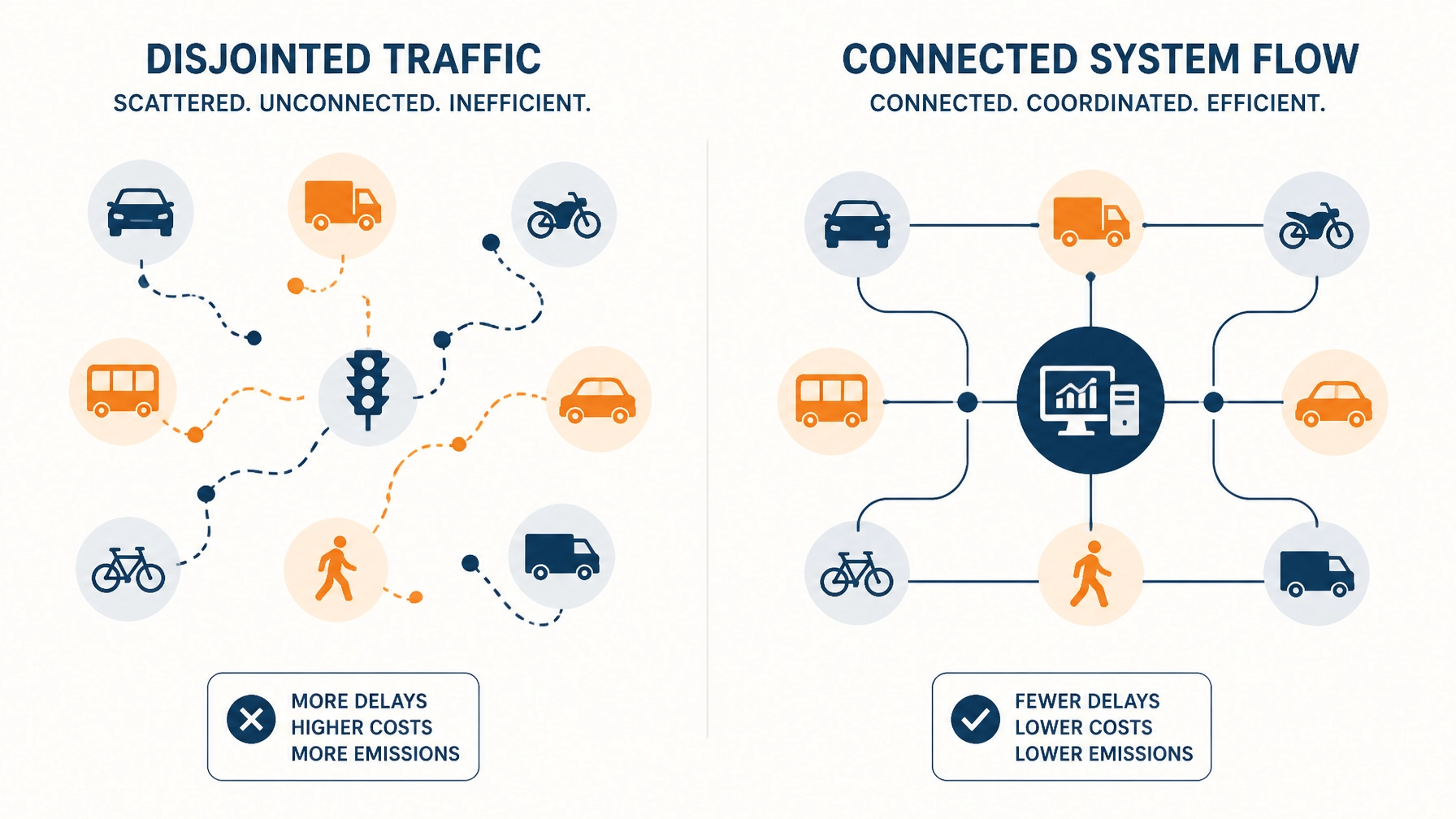
When visitors land on a disorganized page or a fragmented collection of unrelated links, they experience cognitive overload. Without clear guidance on what to do next, bounce rates increase, and potential opportunities are lost permanently.
What Constitutes a Real Marketing System?
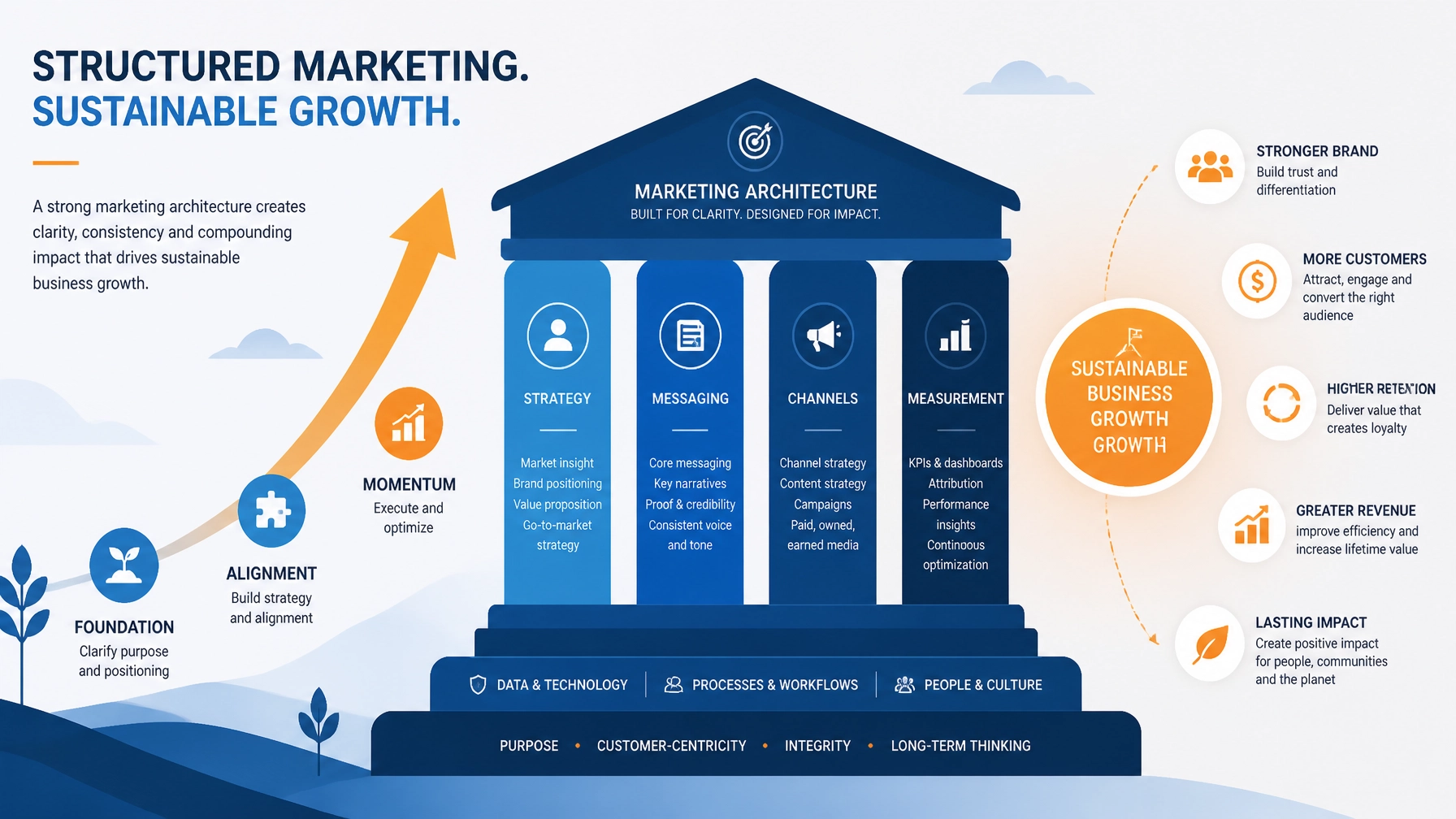
A marketing system is not a single tool, a standalone social media post, or a temporary ad campaign. It is an integrated architecture designed to capture attention, nurture interest, and guide the visitor toward a specific conversion goal.
A complete system typically incorporates several key layers:
- The Entry Point: Where visitors first discover your brand, such as banner ads, login ads, social feeds, or curated content feeds.
- The Central Hub: A unified landing page or link-in-bio hub (such as those offered by platforms like Daily-Ads) that organizes all important links, resources, and offers in one clean interface.
- The Conversion Mechanism: Professional landing pages or web builders that capture leads or direct users seamlessly to primary offers.
- The Community and Retargeting Layer: Ongoing engagement through real-time chat, social feeds, and community networking that builds trust and long-term retention.
When these components operate independently without integration, friction increases. Users are forced to jump between disparate platforms, resulting in friction and drop-off at every transition point.
The Hidden Costs of Fragmented Tools
Many marketers attempt to piece together their marketing stack using half a dozen different software subscriptions: one tool for link-in-bio pages, another for banner advertising, a third for landing page creation, and separate services for community engagement.
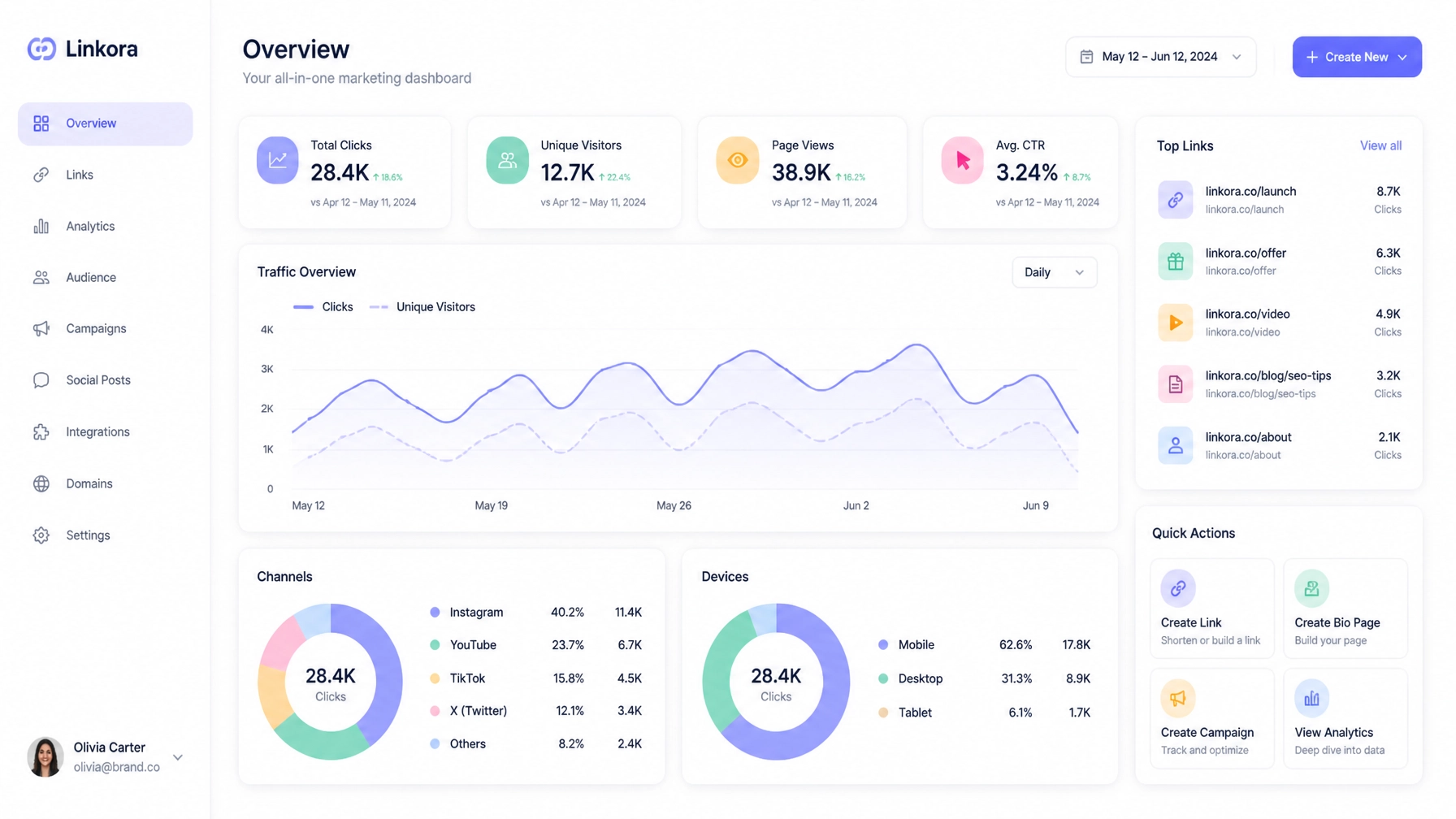
This fragmented approach introduces several distinct disadvantages:
- Financial Overhead: Subscribing to multiple specialized tools creates unnecessary monthly expenses that eat into profit margins, especially for startups and small businesses.
- Operational Complexity: Managing different dashboards, login credentials, and data exports wastes valuable time that should be spent on core business growth.
- Inconsistent User Experience: Disconnected branding and slow-loading redirects between third-party services create a disjointed experience for potential customers, eroding trust.
Consolidating these functions into an all-in-one platform eliminates these bottlenecks. By unifying link management, ad distribution, webpage building, and community interaction under a single roof, businesses can streamline operations and improve overall efficiency.
Designing Your Traffic and Conversion Blueprint
Transitioning from random traffic acquisition to systematic marketing requires a deliberate restructuring of your digital presence. Here is a practical framework to evaluate and upgrade your approach:
Phase 1: Audit Your Current Destinations
Before spending another dollar or hour on driving traffic, analyze where your current links lead. If a visitor clicks your primary link, do they immediately understand your core offering? Is there a clear, single call to action, or are they greeted by a confusing wall of competing links?
Phase 2: Centralize Your Digital Footprint
Create a clean, professional central hub. A well-organized link-in-bio page or customized landing page serves as your digital headquarters. It ensures that regardless of where your traffic originates: whether from social media, banner ads, or login placements: visitors land in a structured, branded environment.
Phase 3: Integrate Consistent Promotion Channels
Combine your traffic generation efforts directly with your central hub. Utilizing integrated advertising formats such as banner networks, login ads, and curated swipe feeds ensures a steady, targeted flow of interested visitors who are already within a relevant entrepreneurial ecosystem.
Conclusion
Traffic is merely fuel. Without a robust engine and a well-designed vehicle to harness it, pouring more fuel into the tank accomplishes nothing. By shifting focus away from raw click volume and investing in a structured, all-in-one marketing system, businesses can turn casual visitors into loyal subscribers and customers.
To explore tools designed to unify your traffic, advertising, and landing page creation in one place, visit Daily-Ads and discover how a streamlined approach can transform your online results.