Let’s dispense with the polite fiction immediately. If you clicked on this article expecting a gentle, soothing pep talk about how "your dreams are valid" and "everyone blooms at their own pace," close this tab right now. Go back to scrolling through TikTok feeds where self-proclaimed gurus flash rented sports cars and claim you can make $10,000 in your first week by clicking three buttons.
The cold, unfiltered reality is much more brutal: 80% to 90% of online businesses collapse within their first 12 to 24 months, and over 90% of aspiring entrepreneurs throw in the towel within the first 60 days. They don't fail because the internet is saturated, and they don't fail because luck bypassed their front door. They fail because they quit the second discomfort scratched their fragile expectations.
It is time to shatter the influencer fantasy and examine the exact mechanics of why beginners quit, how the cycle operates, and what it takes to break it permanently using data-backed realism.
The Attrition Reality Matrix: Why 90% Walk Away in 60 Days
Let's look at the numbers. Industry data across digital ventures reveals a devastating pattern of early attrition:
- The 60-Day Cliff: Roughly 90% of people trying to build an online income stream abandon ship before day 60.
- The 120-Day Wall: Over 90% of internet start-ups shut down within 120 days of launch due to cash flow friction or zero traction.
- The Core Killer: Studies show that "no market need" accounts for roughly 35% of business failures, while poor digital marketing accounts for another 32%.

Yet, statistical failure is only a symptom. The real disease is psychological fragility disguised as strategic pivoting. Beginners enter the arena expecting an escalator to wealth, only to find themselves hacking through a dense jungle with a plastic spoon. When the first drop of sweat hits, they declare the entire model broken.
Reality Check: If your business plan relies on things being easy, frictionless, or fast, you do not have a business plan: you have a lottery ticket. Stop spinning your wheels looking for secret shortcuts that do not exist.
Phase 1: The Anatomy of Early Quitting
To break the cycle of perpetual starting and stopping, you must dissect the exact psychological traps that force beginners to quit before their efforts even have time to compound.
1. Misreading Discomfort as Disaster
When a novice encounters technical friction: a broken link, a low-performing ad, or zero sales after three days of launching a landing page: their brain registers an emergency. They interpret normal operational learning curves as definitive proof of personal incompetence.
As we explore in our core insights on building sustainable operations over at Daily-Ads Blog, the transition cost from novice to competent operator always involves stress, confusion, and error. If you retreat the moment things get uncomfortable, you guarantee permanent stagnation.
2. Shiny-Object Syndrome and the Reset Trap
Every time a beginner abandons a strategy because it isn't producing instant wealth and jumps to a brand-new "hottest trend," they hit the reset button.
- Week 1: Affiliate marketing.
- Week 3: E-commerce dropshipping.
- Week 6: Crypto trading nodes.
Each switch drops your accumulated momentum back to absolute zero. You cannot build a skyscraper if you tear down the foundation every time you finish laying the first course of bricks.
Phase 2: The Execution Blueprint to Break the Cycle
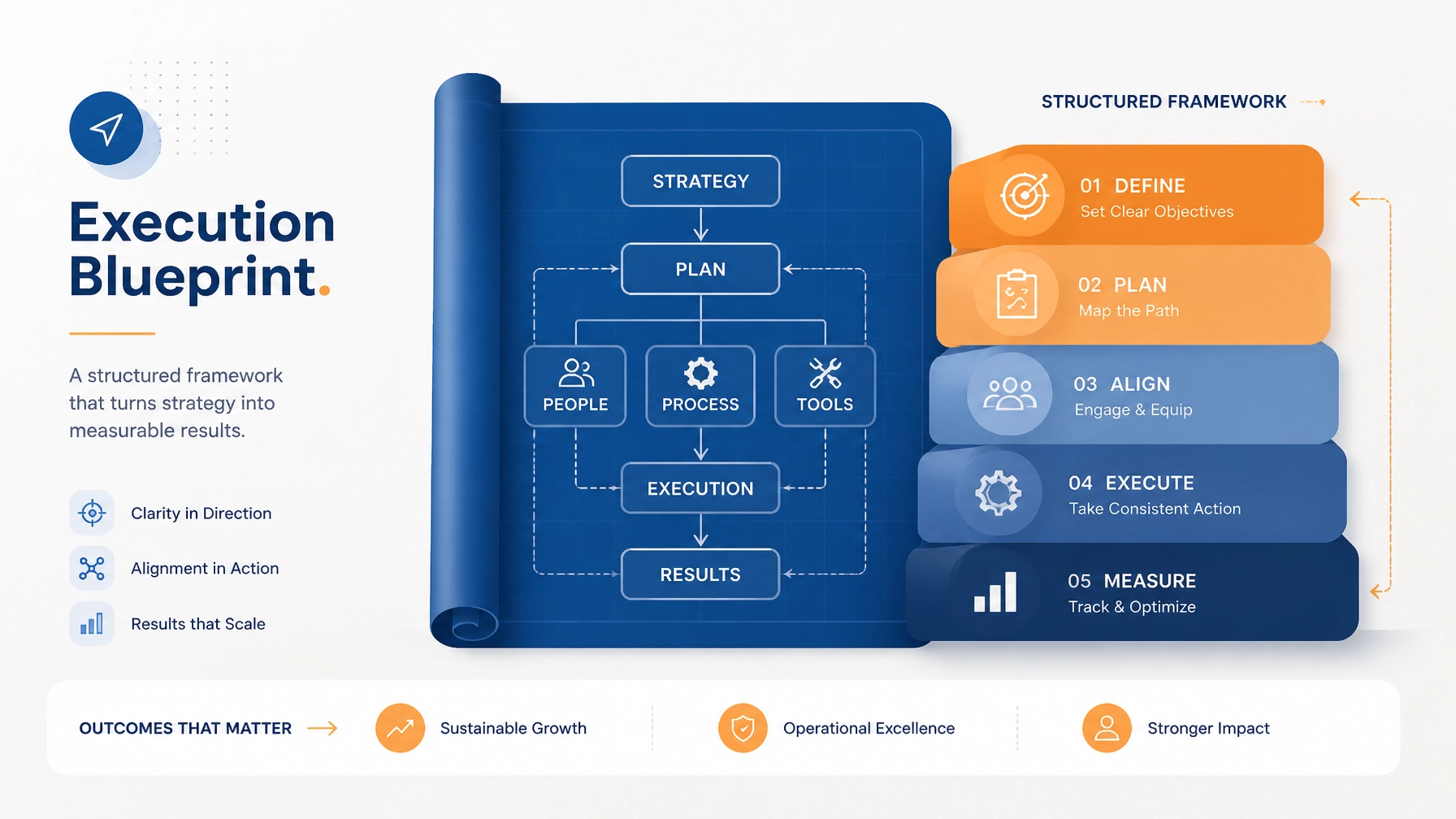
If you are tired of starting over every January with nothing to show for it by March, you need a rigid, systematic framework. Here is how you shatter the cycle of early quitting through cold, hard execution.
Step 1: Enforce a 90-Day Minimum Execution Window
Make a binding, non-negotiable contract with yourself: You will not alter your core strategy, niche, or platform for 90 days.
- No pivots because week two was quiet.
- No abandoning your Linktree page because your first five social posts got zero likes.
- No second-guessing your chosen tools.
Commitment is the toll fee you must pay to enter the realm of actual results. If you cannot lock in for 90 consecutive days of disciplined output, save your money and your time.
Step 2: Ruthlessly Simplify Your Tech Stack
One of the primary triggers for early quitting is technical overwhelm. Beginners drown in a labyrinth of fragmented tools: paying for separate hosting, complex funnel builders, disjointed autoresponders, and standalone ad trackers that cost hundreds of dollars a month before they've even made their first dollar.
Stop leaking capital on low-value time wasters. Consolidate your operations into an integrated marketing suite that lets you deploy high-converting landing pages, banner ads, swipe ads, and community networking all under one roof. When your tech works seamlessly, you eliminate 80% of the friction points that cause frustration and burnout.
+-------------------------------------------------------+
|                THE EXECUTION FRAMEWORK                |
+-------------------------------------------------------+
|  Tier 1: Foundation   --> Secure All-in-One Suite     |
|  Tier 2: Validation   --> 90-Day Unbroken Commitment  |
|  Tier 3: Amplification--> Systematic Traffic & Ads     |
+-------------------------------------------------------+
Step 3: Shift from Passive Consumption to Active Production
Most people who call themselves "entrepreneurs" are actually professional consumers. They spend 10 hours a day watching tutorials, buying courses, and reading case studies, and 10 minutes actually executing.
Reverse this immediately. Adopt a 4:1 Production Ratio: for every 1 hour you spend learning or consuming content, spend 4 hours building, testing traffic, optimizing your banner ads, or engaging with your target audience on social feeds.
The Hidden Cost of Quitting Too Early
Every time you quit, you don't just lose time: you destroy your confidence baseline. You train your subconscious mind to expect failure at the first sign of friction.
Conversely, pushing through the messy middle: even when metrics look bleak and traction feels agonizingly slow: rewires your professional identity. When you realize that surviving a bad week doesn't kill your business, but quitting does, everything changes.
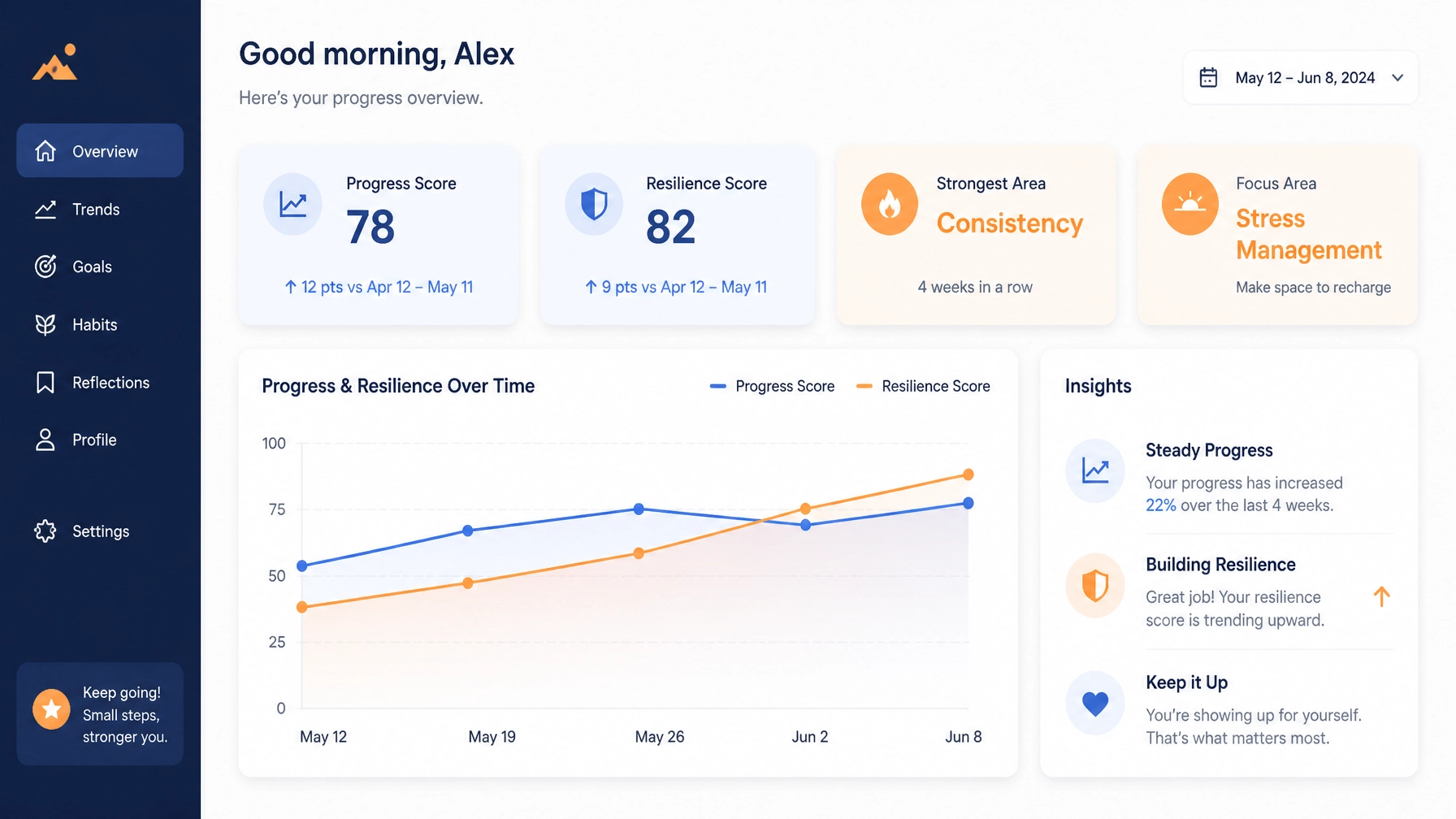
The Truth: Success online is rarely a lightning bolt of genius. It is the unglamorous, repetitive execution of fundamentals while everyone else grows impatient and walks away.
Conclusion: Draw the Line Today
The cycle of early quitting stops the moment you stop waiting for motivation and start relying on discipline. The market does not care about your feelings, your doubts, or how "hard" you tried for two weeks. It rewards clarity, persistence, and systematic execution.
Close the tabs of distraction. Pick your path, secure your foundational tools on a reliable platform like Daily-Ads, and lock yourself into a 90-day execution window.
Stop spinning your wheels. Commit to the process, embrace the messy middle, and build something that lasts.