Published: November 13, 2025 | Updated: February 21, 2026 | 11 min read

What an "Automated Income System" Really Means (No Hype)

Let's address the elephant in the room right away: when you hear "automated income system," your bullshit detector probably starts flashing red. And it should. The term has been so thoroughly abused by scammers, gurus, and multi-level marketing schemes that it's become almost synonymous with "get rich quick scam."

But here's the problem with dismissing the entire concept: legitimate automated income systems do exist. They're just nothing like what the YouTube ads and Instagram gurus promise. They don't generate money while you sleep on day one. They don't require "just 5 minutes of work per day." And they definitely don't turn $1000 into $10,000 overnight.

So what does an automated income system actually mean when we strip away the hype, the exaggeration, and the outright lies? Let's break it down with brutal honesty.

The Reality Check: What Automation Actually Is

An automated income stream is a business system that generates revenue with minimal ongoing manual intervention—but only after you've invested significant upfront work to build and optimize it. Notice those last twelve words? That's the part everyone conveniently omits from the sales pitch.

Think of it this way: a vending machine is an automated income system. Once it's installed, stocked, and working properly, it generates money without you standing there to facilitate each transaction. But someone had to research locations, negotiate placement, purchase the machine, stock it initially, maintain it, refill it regularly, handle technical issues, and optimize product selection based on sales data.

That's real automation—not magical, not instant, and definitely not passive from day one.

The Automation Lie: Most "automated income" promotions sell you the end state without explaining the building phase. They show you someone earning $10K/month on autopilot but hide the 18 months of daily grind it took to create that system. This isn't deceptive by accident—it's the entire business model.

The Three Phases of Building Automation

Every legitimate automated income system goes through three distinct phases. Understanding these phases is crucial because most people quit during phase one or two, never reaching the automation they were promised.

Phase 1: Manual Everything (Months 1-6) — You're doing everything manually. Creating content, finding customers, delivering services, handling support, managing operations. There's zero automation here. You're building the foundation, learning what works, and gathering data. This phase is exhausting and generates minimal income relative to effort.

Phase 2: Selective Automation (Months 6-18) — You've identified repeatable processes and start automating them. Email sequences replace manual follow-ups. Scheduling tools replace constant posting. Templates replace starting from scratch each time. Payment processing automates transactions. You're still heavily involved, but you're working smarter. Income starts growing faster than effort.

Phase 3: Systematic Automation (Month 18+) — Most core functions run automatically with periodic oversight. You've built systems that handle customer acquisition, conversion, delivery, and support with minimal intervention. You spend time on strategy, optimization, and growth rather than daily operations. This is what people picture when they hear "automated income"—but most never reach it because they quit during phase one.

Breaking Down the Seven Income Streams Myth

You've probably heard that wealthy people have multiple income streams, often cited as seven sources of income. While diversification is smart, this advice is frequently misapplied by beginners who try to build seven streams simultaneously and end up with zero profitable ones.

Here's what those seven income streams typically refer to:

Notice something? Most of these require significant capital or assets to generate meaningful income. You can't earn substantial dividend income without a large investment portfolio. Rental income requires property. Capital gains require assets to sell.

For most people starting from zero, the path is: build one profitable business income stream, reinvest profits to expand that stream, then eventually diversify into other streams once you have capital. Trying to build seven streams with no money and no systems is a recipe for overwhelm and failure.

The Millionaire Creation Reality: People often ask "what creates 90% of millionaires?" Research consistently shows that the majority of millionaires built wealth through business ownership and consistent investing over time—not through passive income apps, get-rich-quick schemes, or automated systems bought from internet gurus. They built real businesses, saved aggressively, and invested wisely over decades.

Are Passive Income Apps Legit?

Let's address this directly because it's one of the most searched questions: are passive income apps legit? The short answer is: some are technically legitimate, but almost none will generate meaningful income.

Apps that pay you for surveys, watching ads, playing games, or sharing data are real—they actually pay. But we're talking about earning $5-20 per month for hours of activity. That's not passive income; that's getting paid less than minimum wage for your time and data while making the app owners wealthy.

Real passive income requires one of two things: significant upfront capital (to invest and earn returns) or significant upfront work (to build systems that generate ongoing revenue). There's no third option where you download an app and money appears.

What Real Automated Systems Include:

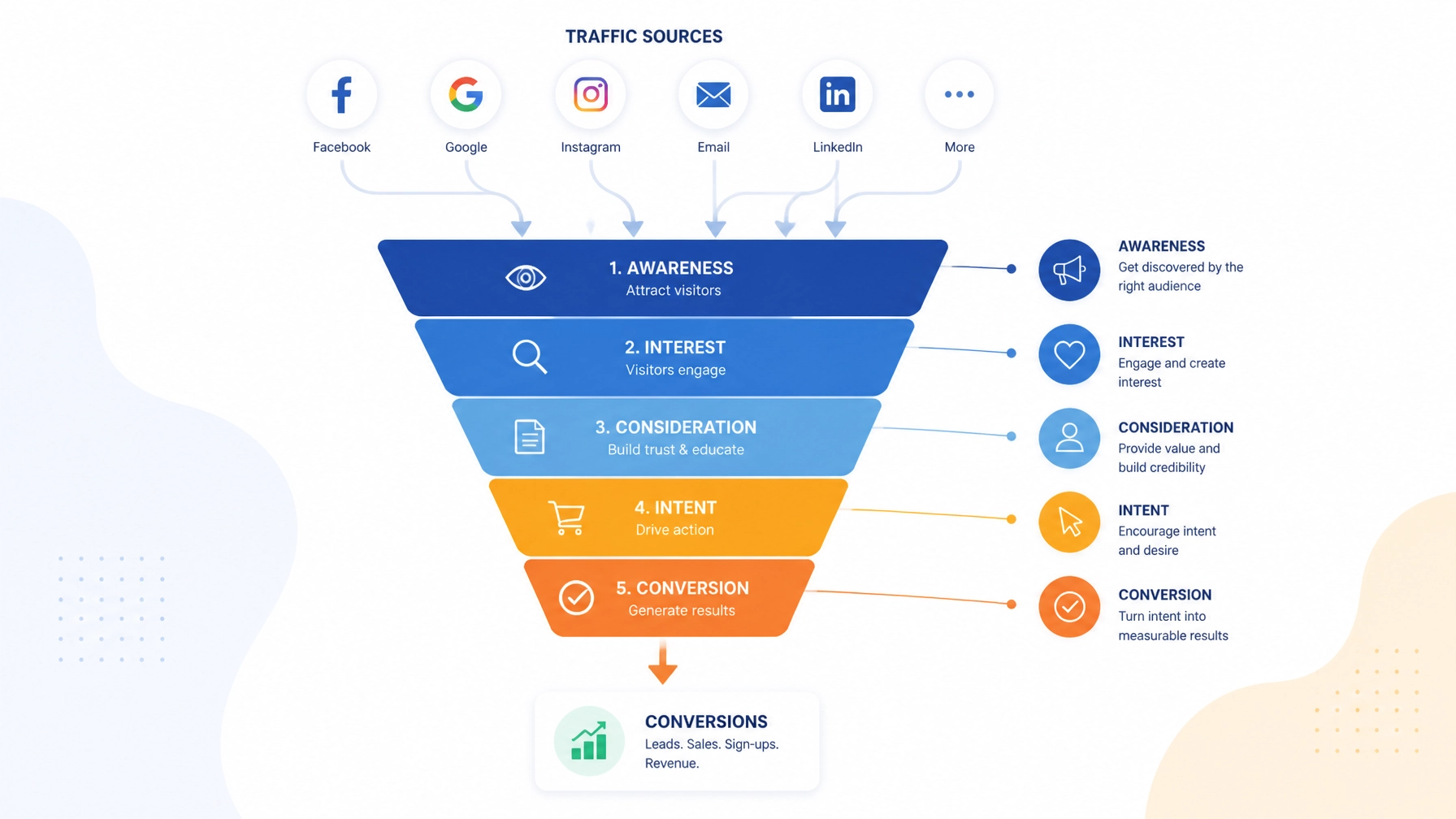
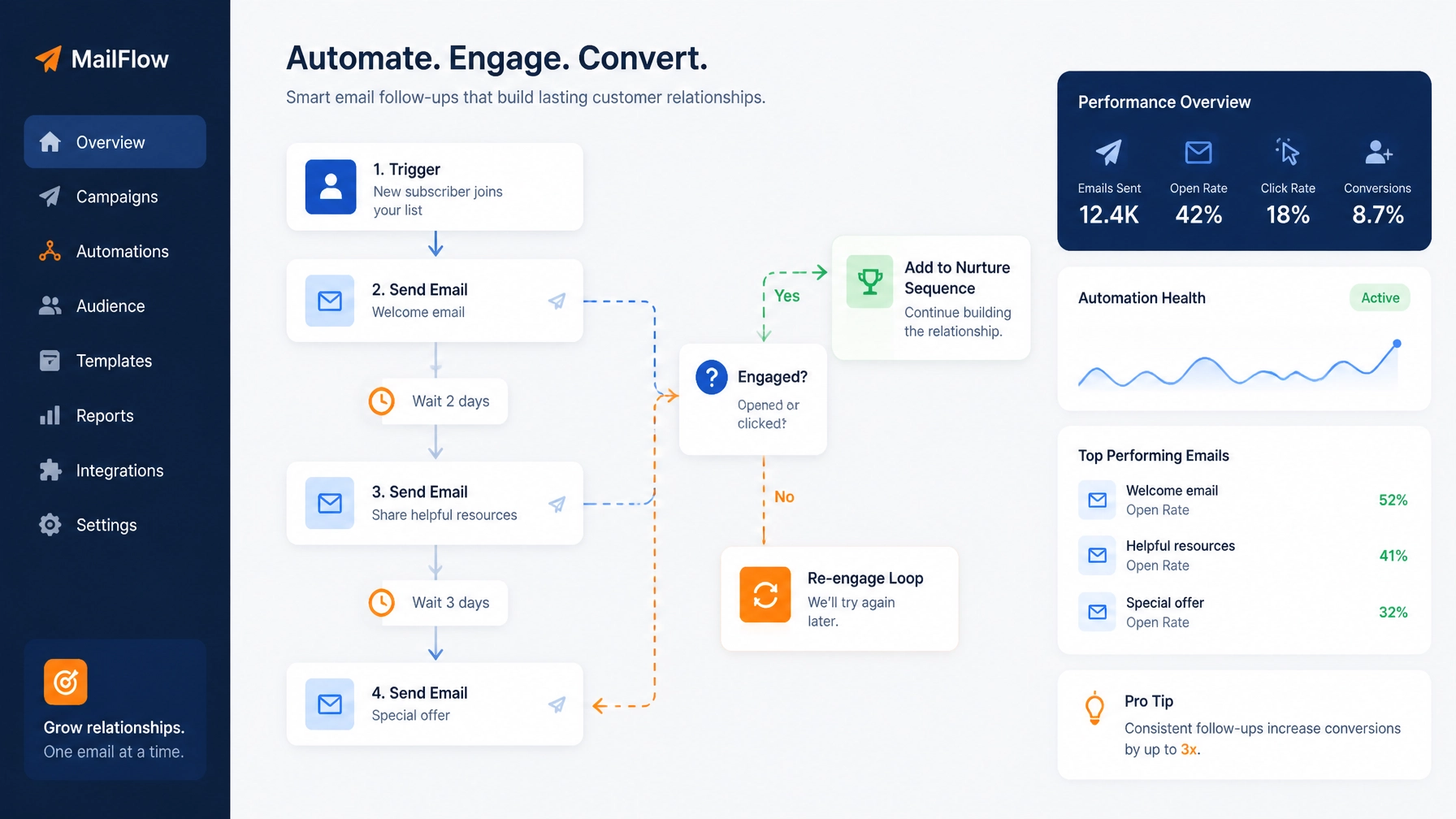
  • Email marketing sequences that nurture leads automatically
  • Sales funnels that convert visitors without manual intervention
  • Digital products that deliver automatically upon purchase
  • Affiliate systems that track and pay commissions automatically
  • Membership sites with automated billing and content delivery
  • Scheduled content distribution across platforms
  • Customer service automation through FAQs and chatbots

What Fake "Automation" Looks Like:

  • Apps that promise money for minimal tasks worth pennies
  • Schemes requiring constant recruitment of new members
  • Systems claiming you can earn without any product or value creation
  • Offers guaranteeing specific income amounts with no effort
  • Platforms where earnings come from recruiting, not selling products
  • Programs that require buying in before you can earn out
  • Anything promising to turn small amounts into large amounts quickly

The "$1000 to $10,000 in a Month" Fantasy

Since this question comes up constantly—how to turn $1000 into $10,000 in a month—let's be direct: this isn't a realistic goal for legitimate business building. Can it happen? Technically yes, through extremely high-risk speculation (crypto, options trading, etc.) where you're just as likely to lose everything. But as a business strategy? No.

Here's the math on what's actually realistic with $1000:

Conservative Approach: Invest $1000 into a proven business model (advertising budget, product inventory, course materials). With good execution, you might generate $1500-2000 in revenue month one. Reinvest profits, scale gradually, and within 6-12 months you could be at $10K/month. That's achievable—but it's not one month, and it requires skill, effort, and optimization.

Aggressive Approach: Use $1000 to test multiple offers rapidly, find one that converts well, and scale immediately. This can accelerate growth but requires significant experience knowing what to test, how to read data, and when to scale. Even skilled marketers would consider doubling money monthly to be exceptional performance.

The people showing you screenshots of turning $1000 into $10,000 in a month are either lying, showing unsustainable results that will crash shortly, or are experienced operators whose results you can't replicate as a beginner.

Building Your First Legitimate Automated System

If you want to build a real automated income system—one that actually works without the hype—here's the honest blueprint:

Step 1: Choose One Monetization Model (Month 1)

Pick a single way to make money: digital products, affiliate marketing, services, e-commerce, or online courses. Just one. You need to become operationally excellent at one model before adding complexity.

Your criteria: something you can create/deliver, something people want, something with decent profit margins, and something you're willing to work on for at least 12 months.

Step 2: Build Manually First (Months 2-4)

Don't automate anything yet. Sell manually. Deliver manually. Support manually. This teaches you what customers actually need, what objections arise, what messaging works, and where the friction points are.

You're gathering intelligence that will inform your automation decisions later. Most people skip this step and automate the wrong things, building systems that don't convert because they never understood the customer journey.

Step 3: Document Your Repeatable Processes (Month 5-6)

By now you've completed the same tasks dozens of times. Document everything as step-by-step processes. "When someone inquires, I send this email. When they purchase, this happens. When they have questions, I point them here."

These documented processes become your automation roadmap. You can't automate what you haven't systematized.

Step 4: Automate Strategic Components (Months 7-12)

Now you automate—but strategically. Start with the highest-volume, most time-consuming tasks that follow predictable patterns:

Each automation should free up time you then reinvest into growth activities—not into relaxation (not yet, anyway).

Step 5: Optimize and Scale (Months 12-24)

Your system is working. Now you optimize conversion rates, test new traffic sources, improve messaging, and scale what's working. This is where income grows faster than effort because your foundation is solid.

By month 18-24, you should have a genuinely automated system where your primary role is strategic oversight, optimization, and growth rather than daily operations.

Ready to Build a Real Automated System?

Skip the hype and get the honest framework for building automated income streams that actually work. Complete system, realistic timelines, proven methods—no false promises.

Get the Complete System →

What "Maintenance" Actually Means

Even highly automated systems require ongoing maintenance. Let's be clear about what this involves:

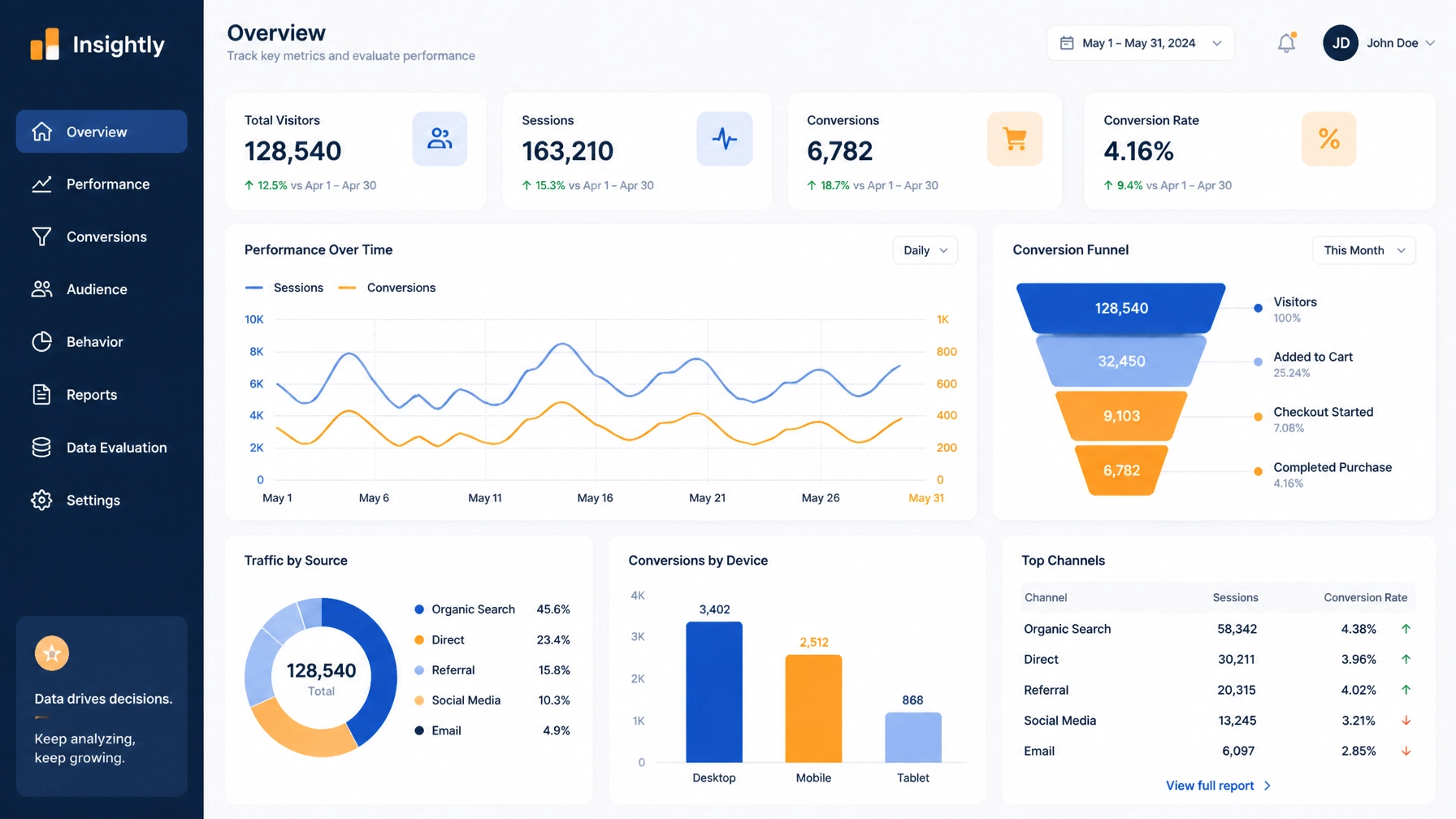
Weekly Tasks: Reviewing analytics to catch issues early, checking that automated sequences are firing correctly, monitoring customer feedback, addressing any technical problems that arise.

Monthly Tasks: Analyzing performance data, testing new elements, updating content that's outdated, optimizing underperforming components, planning strategic improvements.

Quarterly Tasks: Major system audits, strategic planning, exploring new opportunities, competitive analysis, considering pivots or expansions.

This is significantly less work than running everything manually, but it's not zero work. Anyone claiming their system requires "no maintenance" is either lying or running a system that's slowly deteriorating.

The Abandonment Risk: Many automated systems fail not because the automation breaks, but because the owner neglects maintenance. Markets shift, competitors emerge, platforms change algorithms, customers' needs evolve. A system that's truly abandoned will gradually stop working. "Set it and forget it" is marketing language, not operational reality.

The Honest Timeline and Investment

Let's establish realistic expectations for building an automated income system from scratch:

Time Investment: 6-24 months of consistent work before reaching genuine automation. The first 6 months are the hardest, requiring 10-20+ hours weekly. Months 6-12 transition to 5-15 hours weekly. After month 12, you might be down to 2-10 hours weekly depending on scale and systems.

Financial Investment: Minimum $500-2000 for tools, platforms, initial advertising, and learning resources. Could be higher depending on your model. Anyone promising you can start with $0 is selling you a fantasy or an MLM scheme.

Skill Investment: You'll need to develop or outsource skills in marketing, copywriting, basic tech, customer service, and analytics. These aren't optional—they're foundational to any successful system.

Emotional Investment: Months of work with minimal visible results before momentum builds. This is where most people quit. The system works for those who persist through the building phase, not for those chasing quick wins.

The Bottom Line

An automated income system is real—but it's not what you've been sold. It's not passive from day one. It's not effortless. It doesn't generate money while you do nothing. And it certainly doesn't happen overnight.

What it actually is: a business that you build manually first, systematize gradually, and automate strategically over time until it runs with minimal ongoing intervention. The automation is the reward for months of unglamorous work, not the starting point.

If someone is selling you "automated income" without emphasizing the building phase, they're selling you a fantasy designed to extract money from your wallet, not deposit it.

Real automated systems exist. Real passive income is possible. But both require real work upfront—work that most people aren't willing to do because they're chasing the illusion of effortless money instead of building actual businesses.

Choose to build real systems, not chase false promises. Your future self will thank you.

Build With Realistic Expectations and Proven Methods

Access my complete library of honest business-building resources that focus on sustainable systems over hype-driven promises. Real strategies for real results.

Explore All Resources →

Disclaimer: This article is provided for informational and educational purposes only and should not be considered financial, investment, business, or legal advice. The content reflects personal opinions and experiences and may include references to third-party products, services, or platforms. Results mentioned, if any, are not typical and do not guarantee future performance. You are solely responsible for conducting your own research and due diligence before making any decisions or taking any action based on the information presented. Any risks assumed are entirely your own. Daily-Ads.com assumes no responsibility for losses, damages, or outcomes resulting from the use of the information contained in this article. Some links in this article may be affiliate links, which means a commission may be earned at no additional cost to you.