If you are tired of listening to gurus preach recycled garbage about "passive income in 10 minutes a day," close the tab right now. This isn't a motivational seminar. This is a cold, calculated breakdown of how online marketing systems actually convert traffic into revenue.
Every single day, thousands of aspiring entrepreneurs stall out because they get paralyzed by a fundamental strategic fork in the road: Do I plug into a pre-built ecosystem like the OLSP System, or do I spend weeks bleeding cash and sanity building my own custom funnel from scratch?
Let's strip away the influencer hype. We are going to examine the exact mechanics, financial trade-offs, and brutal realities of both paths so you can stop spinning your wheels and make a definitive execution choice. For broader insights on digital architecture, explore our Daily-Ads blog index.
The Execution Blueprint: Defining the Two Contenders
Before you deploy a single dollar or minute of your time, you must understand what you are actually buying into. Most beginners fail because they treat marketing software like a magic lottery ticket instead of an industrial machine.
Contender A: The OLSP Ecosystem
Created by Wayne Crowe, the One Lead System Powerhouse (OLSP) is a done-for-you (DFY) affiliate platform. It gives you:
- Pre-built funnels (like the Mega Funnel and TD Pages) that require zero design work.
- Built-in automated email follow-ups and multi-offer monetization via a lifetime cookie.
- Structured training and a massive community (Traffic Domination).
- Low entry barriers (around $7 for the Mega Link) designed for rapid deployment.
Contender B: The Custom Funnel Build
Building your own funnel means assembling a proprietary tech stack: using tools like Systeme.io, WordPress, or custom landing page builders: to create:
- Proprietary opt-in pages and custom copywriting.
- Independent email autoresponder sequences.
- Direct control over tracking pixels, customer data, and diversified affiliate or high-ticket offers.
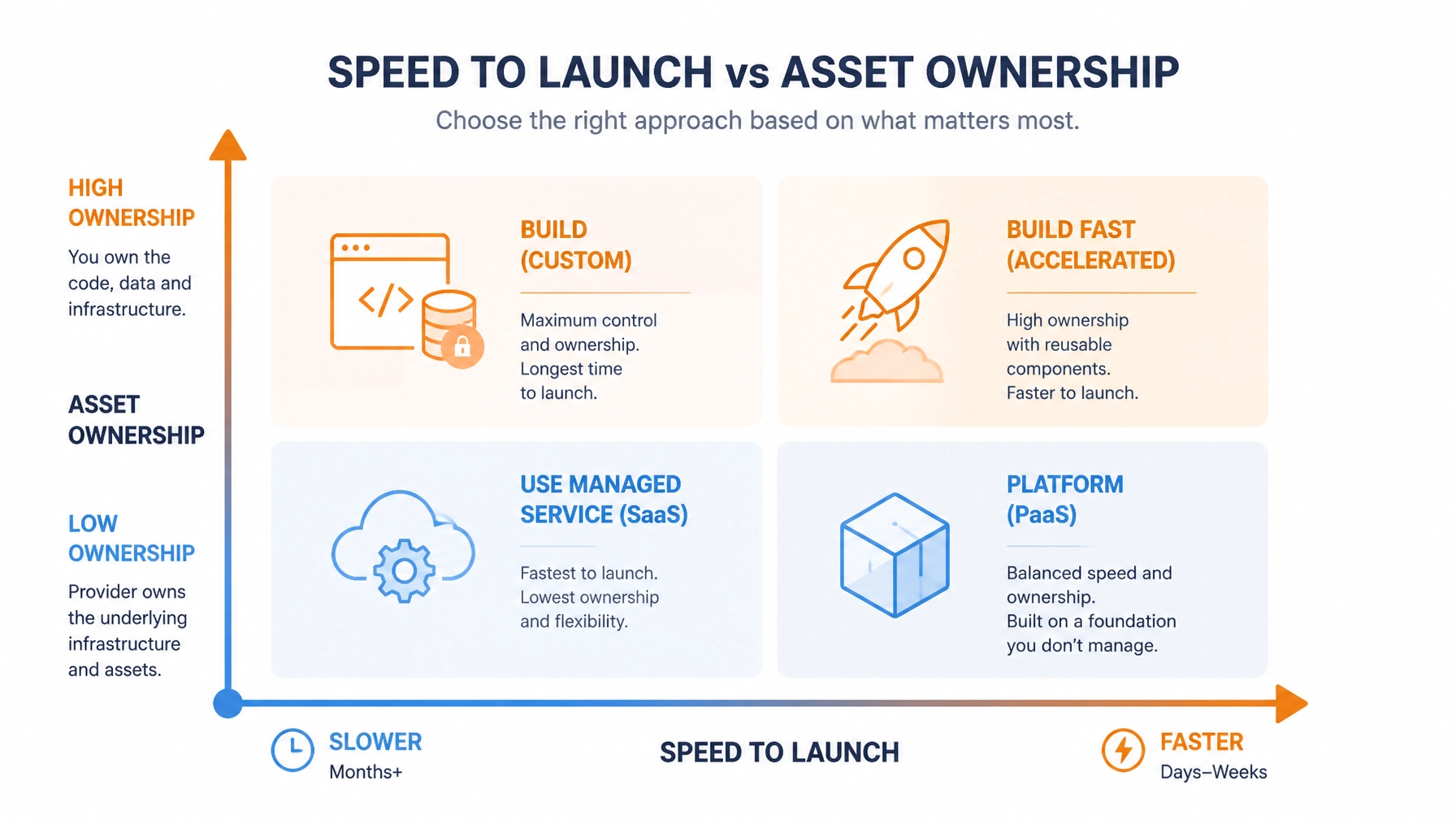
Reality Check #1: Speed to Launch vs. Asset Ownership
The Truth: Most beginners do not fail because their funnel color scheme was wrong. They fail because they burn out before ever launching a live campaign.
Let's look at the mathematical reality of getting your first campaign live:
| Metric | OLSP System | Custom Funnel Build |
|---|---|---|
| Time to First Promotion | Minutes to hours (Grab Mega Link & deploy) | 14 to 30 days (Tech setup, copywriting, integrations) |
| Technical Barrier | Near zero (No hosting, design, or coding required) | Moderate to high (DNS records, SMTP setups, split testing) |
| Data Ownership | Ecosystem-tied (OLSP manages backend infrastructure) | Full ownership (Your list, your CRM, your database) |
| Brand Equity | Promoting a collective ecosystem brand | Building a standalone, proprietary business asset |
Reality Check: If you have never made your first dollar online, spending three weeks configuring custom DNS settings and wrestling with autoresponder webhook errors is a massive waste of time. You need momentum, not a masterclass in software troubleshooting.
The Financial Reality Matrix: Upfront Costs and Hidden Friction
Let's examine the ledger. Influencers love to tell you that building a custom funnel is "free," while conveniently forgetting the software stack required to keep it alive.
[Custom Funnel Cost Breakdown]
- Funnel Builder: $97/mo
- Email Autoresponder: $49/mo
- Tracking Software: $79/mo
- Copywriting/Design Tools: $39/mo
= Total Monthly Overhead: $264/mo ($3,168/year before 1 ad dollar is spent)

[OLSP Entry Model]
- Mega Link Entry: ~$7 one-time (plus optional ecosystem upgrades)
- Traffic Focus: Built for organic or low-cost distribution
The Hidden Cost of DIY: When you build your own funnel, you take on 100% of the financial and operational risk. If your conversion rate sits at 1% instead of 3%, you are the one debugging the copy, redesigning the hook, and paying monthly SaaS bills out of pocket.
On the flip side, OLSP drastically reduces your technical overhead and software friction. You pay a nominal entry fee, grab your tracking link, and immediately plug into a pre-validated conversion machine. However, the catch is glaring: You are building someone else's infrastructure empire. You do not own the core funnel pages, and if the ecosystem shifts, your operational leverage shifts with it.
Technical Friction & The Messy Middle
Every successful marketer who ever lived went through what we call the "Messy Middle": the brutal phase where theory meets cold, unyielding market indifference.
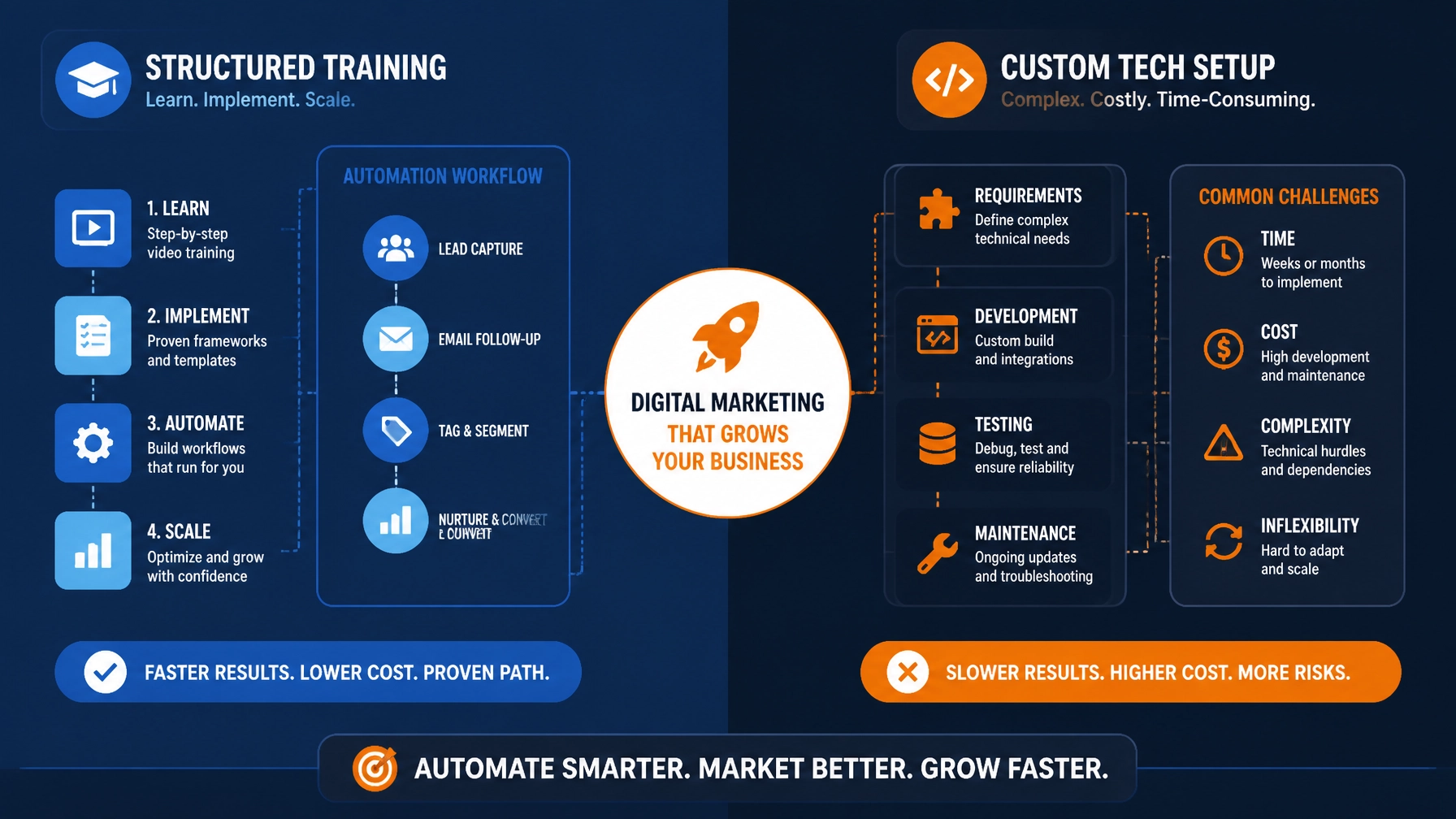
When you choose OLSP, your primary battleground is traffic generation. You don't have to worry about whether the checkout page loads or if the email sequence fires correctly; Wayne Crowe's team handles the backend follow-ups. Your sole job is driving eyeballs to your Mega Link using organic social media, banner ads, or login ads.
When you choose Building Your Own Funnel, your battleground expands exponentially:
- The Tech Stack Quagmire: Connecting your domain, configuring your custom SSL certificate, syncing your email tags, and testing checkout webhooks.
- The Copywriting Void: Staring at a blank landing page wondering why nobody is opting in for your "revolutionary lead magnet."
- The Offer Validation Trap: Trying to figure out why an audience won't buy an affiliate product you spent two weeks wrapping in a custom bridge page.
The Truth: Most people quit custom funnels because the technical friction suffocates their enthusiasm before they ever test market demand. If your grit level is low, DIY funnels are a financial blender.
Making the Strategic Call: Which Path Matches Your Reality?
To determine what makes sense for your business in 2025, run your current situation through this strict qualification filter.
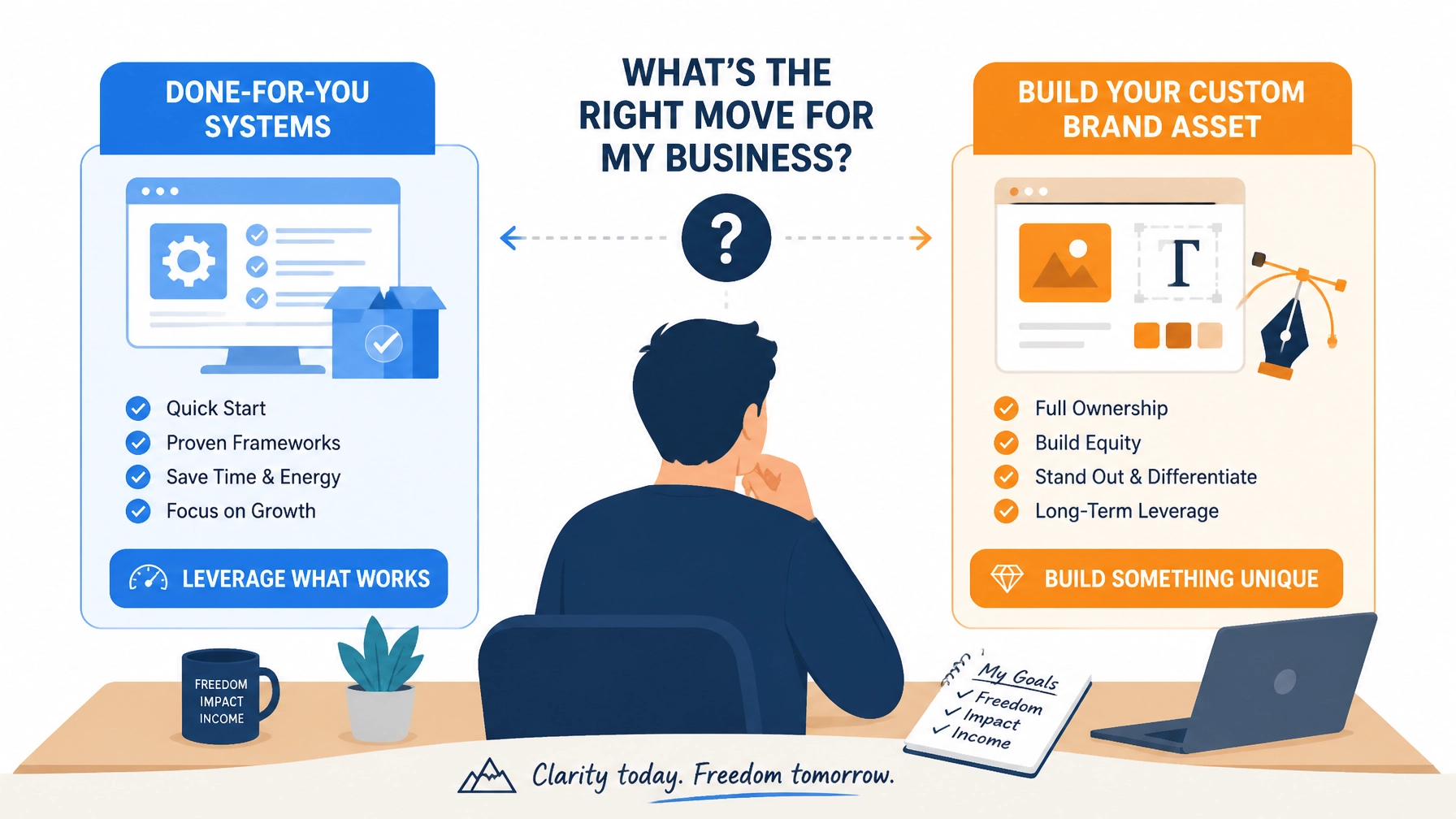
Choose OLSP if:
- You are starting from zero: You need a fast, frictionless entry point to understand how traffic flows and commissions are tracked.
- You despise technical setup: You want to skip the software configuration nightmare and focus entirely on promoting offers.
- You want built-in mentorship: You benefit from structured training, live webinars, and a community of active marketers pushing traffic daily.
- You operate on a lean budget: You want a low-cost testing ground without committing $200+ monthly to standalone SaaS subscriptions.
Choose Building Your Own Funnel if:
- You are building an enterprise brand: You refuse to promote external ecosystems and want 100% ownership of your customer list and brand equity.
- You have technical competence: You already understand copywriting, landing page architecture, email automation, and conversion rate optimization (CRO).
- You want multi-vertical flexibility: You plan to promote dozens of disparate affiliate programs, high-ticket coaching offers, or your own proprietary software products under one roof.
Financial Decision Matrix and Long-Term Leverage
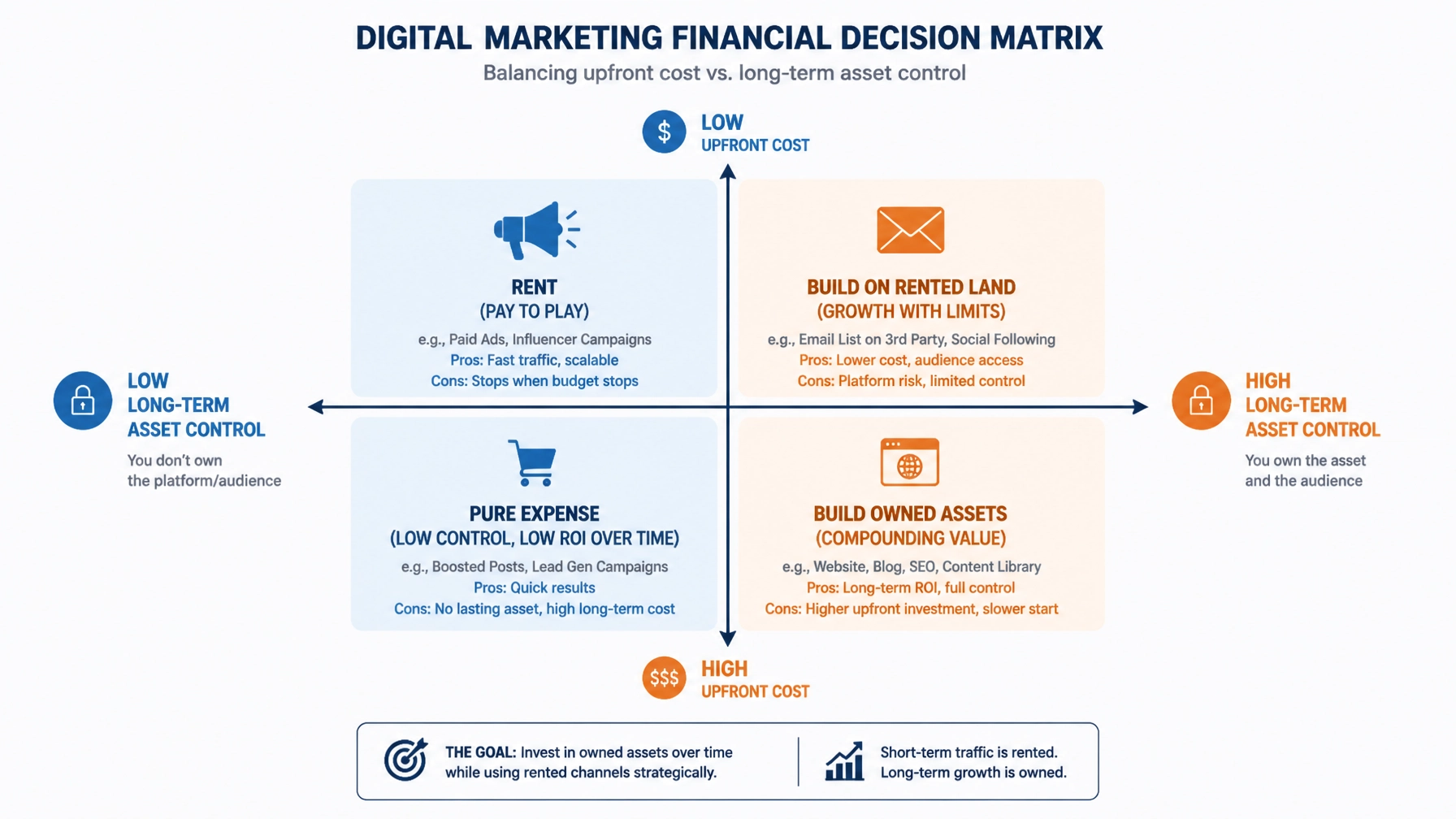
Let’s be brutally honest about long-term sustainability.
If your 3-year goal is to build a massive, sellable digital asset with its own proprietary customer database, OLSP will ultimately hit a ceiling. You are an affiliate leveraging a host ecosystem. Your income is subject to platform rules, cookie durations, and corporate pivots.
Conversely, if your 3-year goal is to generate fast cash flow, learn high-level traffic mechanics without drowning in tech debt, and build initial capital, building a custom funnel on day one is financial suicide.
The smartest operators in the digital space often execute a Hybrid Progression:
- Phase 1 (The Cash & Skill Sprint): Use ecosystems like OLSP or all-in-one daily advertising suites to learn traffic generation, master conversion psychology, and stack your first profitable commissions with minimal overhead.
- Phase 2 (The Asset Pivot): Once your bank account is healthy and your traffic generation skills are razor-sharp, reinvest your profits into building custom funnels, proprietary landing pages, and owned email lists.
Stop looking for the "perfect" tool. Both models work, but both demand relentless execution. Choose the vehicle that matches your current skill set, close the escape hatches, and commit to a 90-day execution window. For more unfiltered breakdowns on traffic, systems, and conversion strategies, check back into our Daily-Ads blog index.