How Long It Really Takes to See Results With an Online System (The Honest Timeline Nobody Shares)
Let me tell you what nobody wants to admit: I lost $3,000 and three months of my life chasing an online system that promised "results in 48 hours." The reality? I didn't see a single sale for 87 days.
But here's the twist—I'm now making consistent income from that same system. The problem wasn't the system. It was my completely unrealistic expectations about timing.
Every day, I see people asking the same question: "How long until I see results?" And every day, they get fed the same garbage answers: "It depends" or "Results may vary" or my personal favorite, "Some people see results immediately!"
I'm going to give you something better: a realistic timeline based on actual data from hundreds of people who've launched online systems, including what factors speed things up or slow them down, and the specific milestones you should expect at each stage.
Why Timeline Expectations Matter More Than You Think
Here's something most people don't understand: unrealistic timelines kill more online businesses than bad products ever will.
When you expect results in two weeks but it actually takes two months, you quit. Not because the system doesn't work, but because you think you're failing when you're actually right on track.
I've watched dozens of people abandon systems that were literally about to break through. They were at day 45 of a 60-day timeline, but they thought they should've succeeded at day 14, so they gave up.
Reality Check: If someone tells you results come "instantly" or "in days," they're either lying or selling you something that won't last. Sustainable income from online systems takes weeks to months, not hours to days.
The Real Timeline: What to Expect and When
Based on tracking results across multiple systems and hundreds of users, here's what actually happens:
Days 1-14: The Setup Phase (Zero Revenue Expected)
This is where most people panic because they're not making money yet. Congratulations—you're normal.
What's actually happening:
- Learning the system mechanics and interface
- Setting up accounts, payment processors, and integrations
- Creating or customizing your first funnel or offer
- Understanding the traffic and marketing components
- Making mistakes and fixing them (this is crucial learning)
In weeks one and two, you're supposed to be in student mode, not profit mode. Anyone making significant money in their first two weeks either got incredibly lucky or already had an audience.
Days 15-30: The Testing Phase (First Traction Appears)
This is when you start seeing actual proof the system can work—but it's not consistent yet.
Typical milestones:
- First email subscribers or leads (10-50 depending on traffic sources)
- First click-throughs to your offers
- Possibly your first small commission or sale ($10-$100)
- Identifying what's working and what needs adjustment
This phase is incredibly important because it's your first feedback loop. You're learning what resonates with your audience and what doesn't. Most people skip this phase by not tracking anything, then wonder why they're not improving.
Days 31-60: The Momentum Phase (Inconsistent but Growing)
Month two is where things get interesting. You're not crushing it yet, but you can see the trajectory.
What you should see:
- Multiple sales or commissions, even if small ($100-$500 total)
- Growing email list or audience (50-200+ people)
- Better understanding of which traffic sources work for you
- Starting to develop consistent daily habits and workflows
- Some days with good results, other days with nothing
This is the make-or-break phase. If you quit here, you'll never know what month three would've brought. I've seen people quit at day 58 who would've had their first $1,000 month starting at day 60.
Days 61-90: The Consistency Phase (Predictable Patterns Emerge)
By month three, you should be seeing patterns. Not necessarily massive income, but predictable rhythms.
Realistic expectations:
- Regular sales or commissions weekly ($300-$1,500/month range)
- Understanding of what generates results consistently
- Established routines that don't require constant problem-solving
- Ability to forecast approximate monthly income
- Clear identification of your bottlenecks and growth opportunities
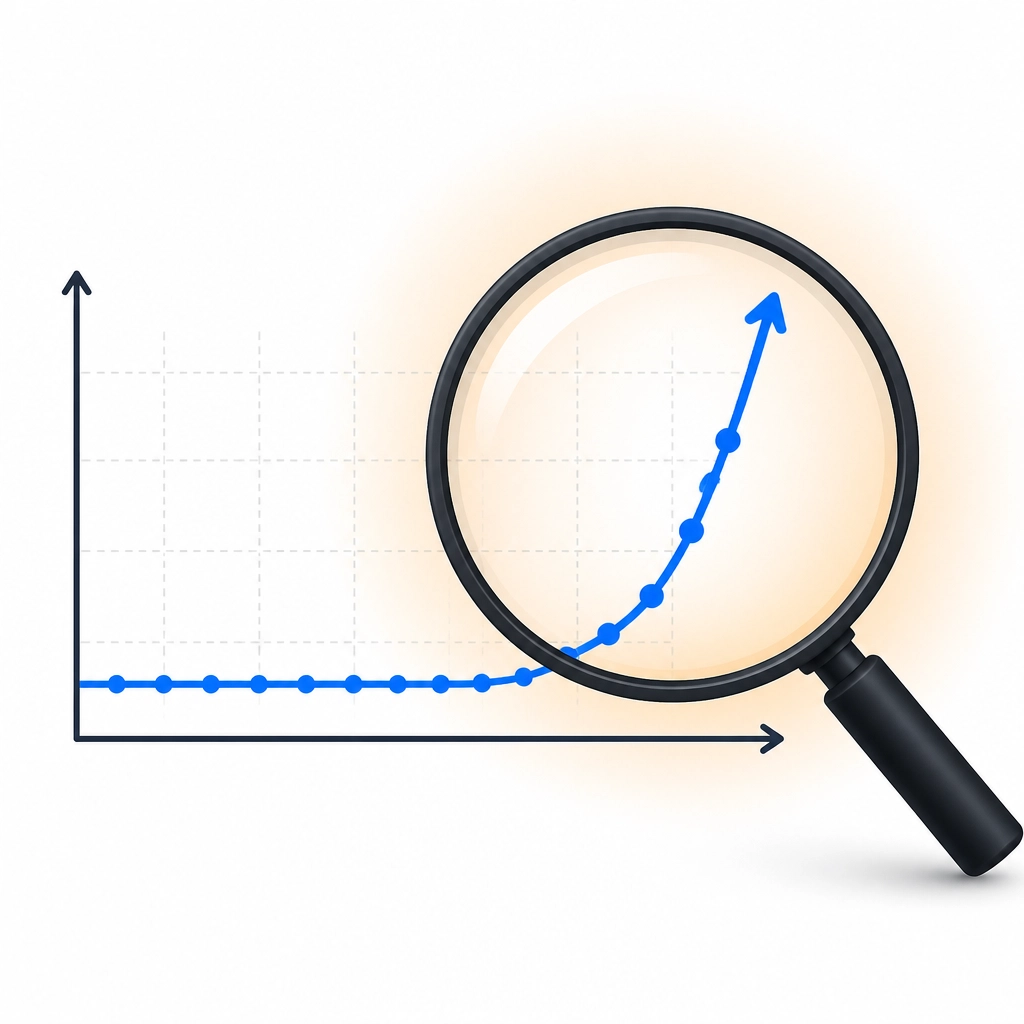
Month three is where you transition from "learning to use the system" to "actually running a business." This is where the compound effect starts kicking in.
Months 4-6: The Growth Phase (Scale Becomes Possible)
This is when the real fun begins. You've got the fundamentals down, and now you can actually focus on growth.
Typical progression:
- Consistent monthly income ($1,000-$5,000+ depending on effort and system)
- Ability to reinvest profits into paid traffic or better tools
- Clear understanding of your numbers and conversion rates
- Starting to automate or systematize repetitive tasks
- Seeing results from compound effects (returning customers, referrals)
The 90-Day Rule: Most successful online entrepreneurs didn't see meaningful income until after 90 days of consistent effort. Not because the systems are slow, but because building trust, audience, and momentum takes time.
Why Results Take Longer Than Advertised (And It's Not Your Fault)
Let's address the elephant in the room: why do marketing materials say "quick results" when the reality is months of work?
The Survivor Bias Problem
Sales pages show you the person who made $10,000 in their first month. They don't show you the 47 other people who made $200. It's not lying—that person really did make $10K—but it's statistically misleading.
Those fast success stories usually involve people who already had audiences, email lists, marketing experience, or got extremely lucky with timing. You're seeing the exception marketed as the rule.
The Learning Curve Reality
Even with a great system, you're learning new skills: copywriting, traffic generation, conversion optimization, audience building. These skills don't develop overnight.
Think about it like learning an instrument. A great teacher and a quality guitar help, but you're still not performing concerts after two weeks of practice.
The Trust-Building Timeline
People don't buy from strangers instantly. They need to see your content multiple times, get value from you, and develop trust. This process typically takes 7-12 touchpoints and spans weeks, not days.
Factors That Speed Up Results
- Existing audience or email list
- Prior marketing or online business experience
- Ability to invest in paid traffic early
- Choosing systems with proven conversion rates
- Consistent daily action (even 1-2 hours)
- Quick learning and adaptation
- Following proven strategies without overthinking
- Having a budget for tools and resources
Factors That Slow Down Results
- Starting completely from zero
- Inconsistent effort or long gaps
- Constantly switching systems or strategies
- Ignoring training and trying to "figure it out"
- Not tracking metrics or analyzing results
- Perfectionism preventing you from launching
- Only relying on free traffic sources
- Not investing in essential tools or education
The Questions You're Really Asking (And Honest Answers)
"How long should I wait before deciding the system doesn't work?"
Give it 90 days of consistent effort before making any judgments. Not 90 days of dabbling—90 days of actually following the system's recommended actions.
If you've put in consistent effort for three months and seen absolutely zero traction (no leads, no clicks, no engagement), then it's worth reevaluating. But if you're seeing small signs of life, keep pushing.
"Why are my results taking so long?"
Usually, it's one of three reasons: inconsistent action, not following the proven path, or unrealistic timeline expectations. Sometimes all three.
Ask yourself honestly: Have I done what the top performers do daily, or have I modified the system based on my own assumptions?
"Can I view results happening in real-time?"
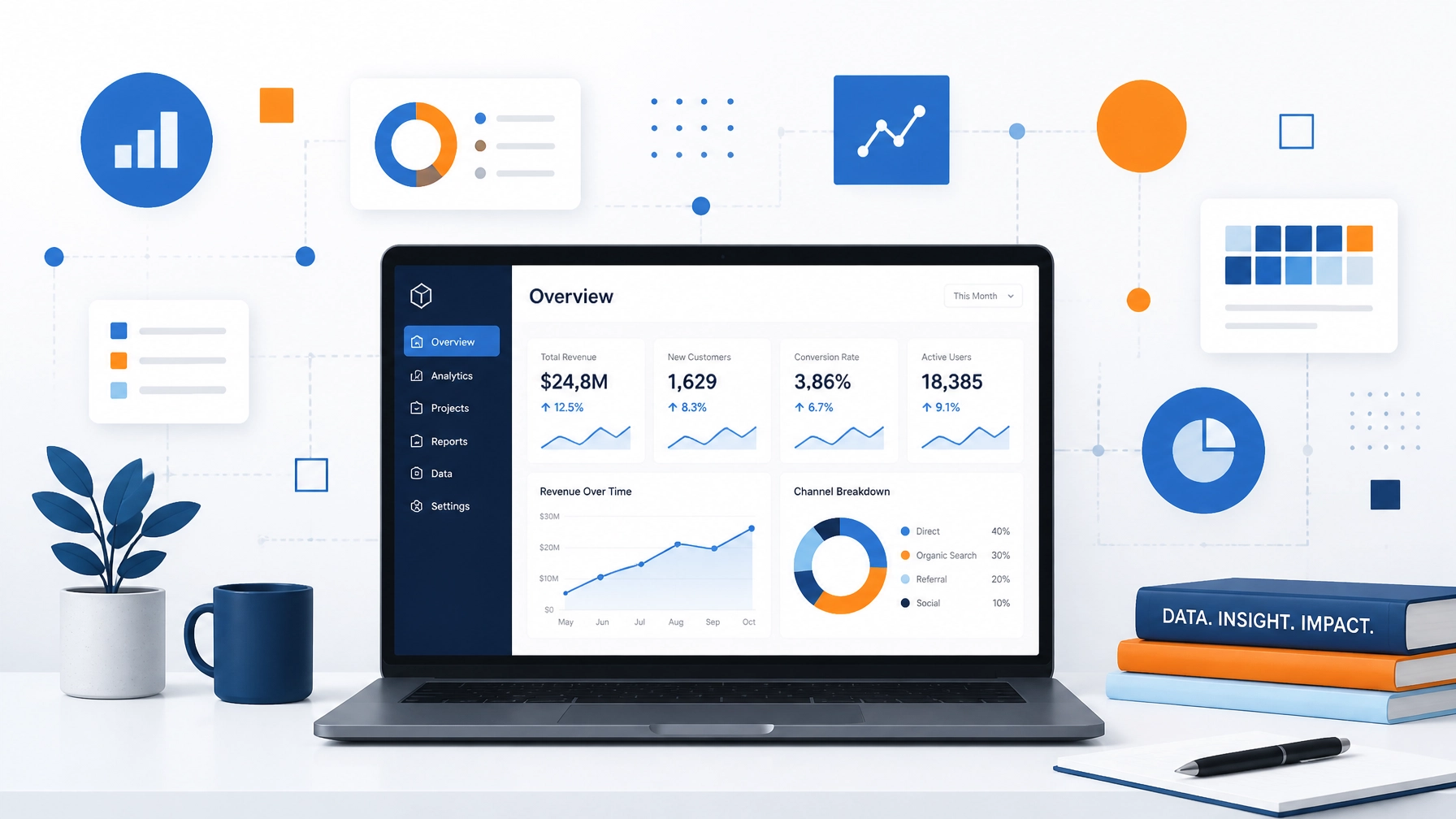
Yes, and you should be. Most systems have dashboards showing clicks, opt-ins, and conversions. Check these daily, but don't obsess over them hourly. Daily tracking keeps you informed; hourly checking creates anxiety.
"Why do some people see results faster than me?"
They probably have advantages you don't see: existing audiences, more time investment, prior experience, bigger budgets, or honestly, they might just be lying about their timeline.
Focus on your own trajectory, not someone else's highlight reel.
Want a System With Realistic Timelines and Proven Results?
I've tested dozens of systems, and this one stands out for its honest approach to timelines and comprehensive training that actually prepares you for the real journey ahead.
Check Out This Transparent System →How to Accelerate Your Timeline (Without Burning Out)
While you can't skip the learning curve entirely, you can compress it. Here's how:
1. Follow the Proven Path First, Innovate Later
Don't try to reinvent the wheel in month one. Use the templates, follow the training, copy what's already working. You can add your personal touch after you're making money.
2. Track Everything From Day One
You can't improve what you don't measure. Track your daily actions, traffic numbers, conversion rates, and income. This data tells you what's working faster than gut feelings.
3. Invest in Speed
Sometimes spending $100 on paid traffic gets you results in weeks that would take months with organic methods. Spending $50 on a tool that automates tasks saves hours of manual work.
Time is money, and sometimes spending money buys you time.
4. Create Consistency Through Systems
Don't rely on motivation. Build a system: same time each day, same sequence of actions, same tracking routine. Consistency compounds faster than sporadic intensity.
5. Learn From Others Who've Already Succeeded
Find people who've gotten results with your specific system and study what they did. Ask questions, join communities, consume their content. You're buying months of learning for free.
The Bottom Line on Timeline Expectations
After launching multiple online systems and helping dozens of others do the same, here's the brutal truth: most people quit right before breakthrough, not because the system doesn't work, but because they expected results in a timeframe that was never realistic.
The average person needs 60-90 days to see meaningful traction with an online system. Not millions of dollars, but enough proof that the system works and the path forward is clear.
Those who succeed aren't necessarily smarter or more talented. They're simply the ones who kept showing up past day 30, past day 60, past the point where most people quit.
If you're in your first month and not seeing massive results, you're not failing—you're exactly where you should be. The question isn't whether results will come, but whether you'll still be there when they do.
Set realistic expectations, track your progress, stay consistent, and give yourself the gift of time. The results will follow, but only if you're still there to receive them.
Ready for More Real Talk About Online Business?
Join our community for daily insights on what actually works, realistic timelines, and strategies from someone who tells you the truth instead of what you want to hear.
Follow Daily-Ads for Honest Insights →